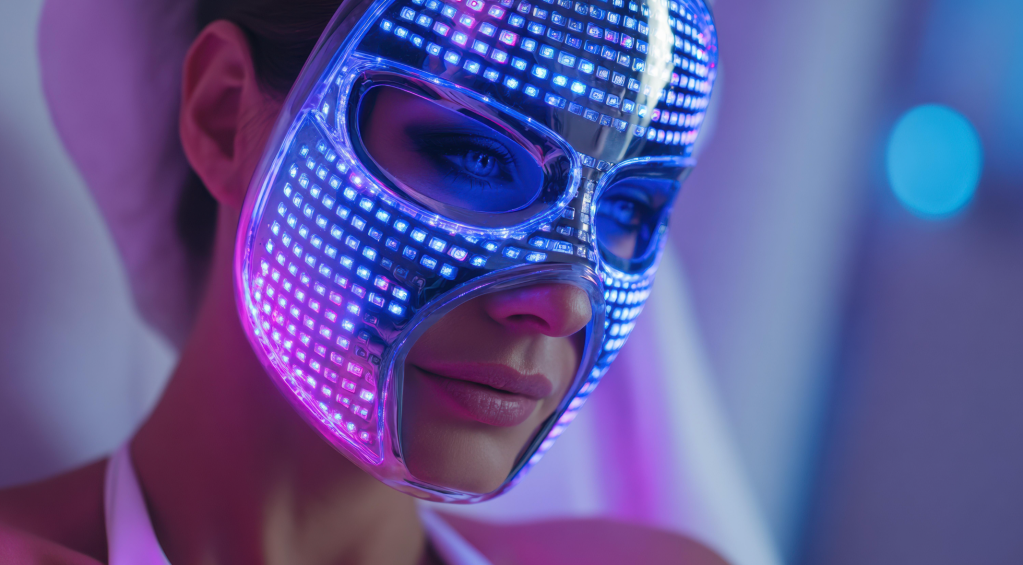
This type of experience is already beginning to take shape through digital skin analysis platforms and AI-assisted beauty tools.
Some systems use photographs and image-processing technology to assess visible features such as texture, wrinkles, and pigmentation.
Others combine questionnaires, consumer preferences, and product databases to help recommend skincare products.
What’s particularly interesting is how these technologies could make beauty shopping feel more personalized.
Rather than relying exclusively on trends, customers may be able to explore products that better align with their preferences and concerns.
However, AI skin analysis isn’t without limitations.
Lighting, image quality, skin tone representation, and the data used to develop these systems can all affect their performance.
There is also a difference between a cosmetic recommendation tool and a medical diagnostic device.
That distinction matters because a skincare app should never replace a qualified dermatologist when evaluating a concerning skin condition.
For me, the future of AI in beauty isn’t about replacing human expertise. It’s about exploring how technology can make information more useful, accessible, and personalized.
The Rise of At-Home Beauty Devices
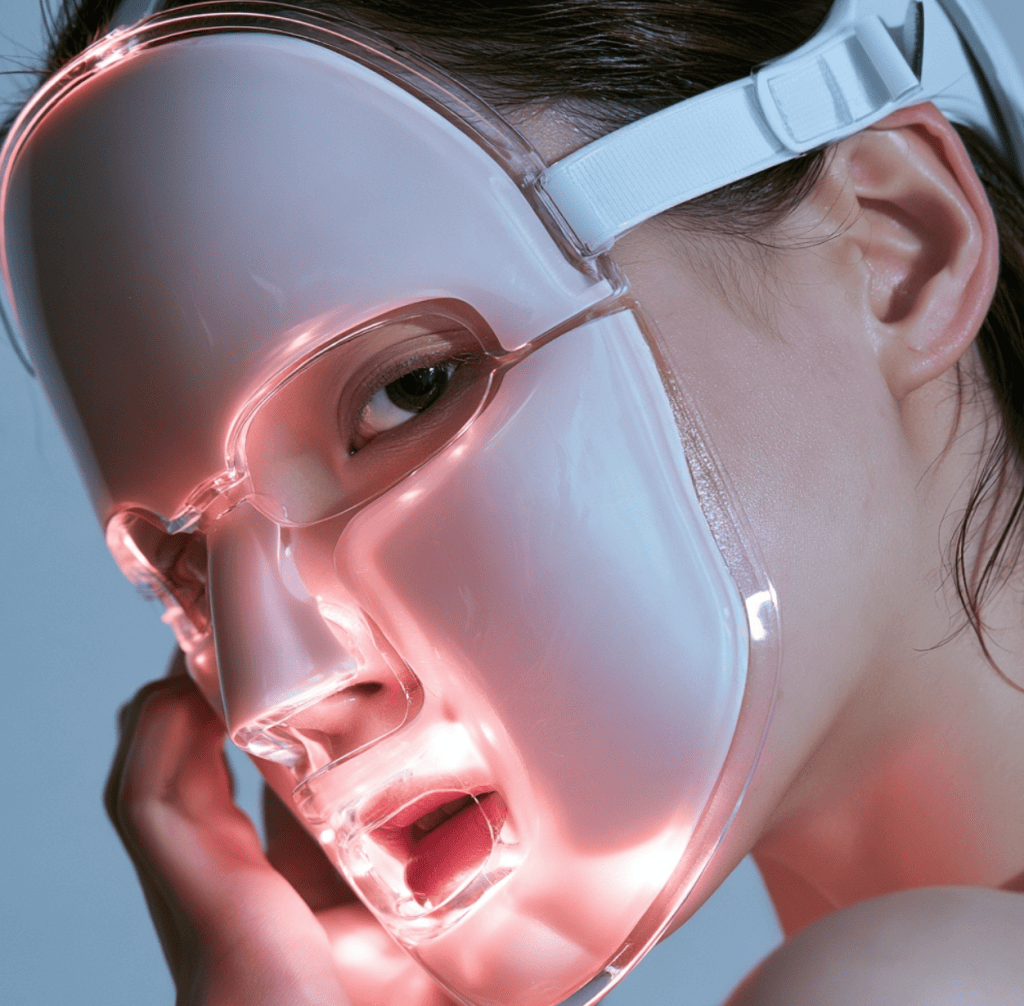
Another area I find fascinating is the growing popularity of skincare devices designed for home use.
From LED facial masks to microcurrent tools and radiofrequency devices, beauty technology is moving beyond professional treatment rooms and into everyday routines.
LED light therapy is especially interesting because different wavelengths of light are being studied for different cosmetic and dermatological applications.
Some research suggests that certain red-light devices may offer modest improvements in the appearance of fine lines, skin texture, or redness.
Blue-light devices are also used in some acne treatments.
But not every device on the market has the same level of scientific support, and results depend on factors such as the specific device, treatment settings, and frequency of use.
This is why I think consumers should approach beauty technology with both excitement and curiosity.
A futuristic design might catch our attention, but the research behind a product is what deserves closer examination.
Could Skincare Become Truly Personalized?
We often hear beauty brands describe their products as suitable for everyone.
But the reality is that skin is incredibly individual.
Different skin types, environments, routines, and sensitivities can influence how someone experiences a product.
What works beautifully for one person may not produce the same results for someone else.
This is where personalization becomes especially interesting.
Imagine a future where a skincare consultation considers not only your stated concerns but also environmental conditions, product preferences, and changes in your routine.
A digital platform might help you compare product ingredients, understand different textures, or track your preferences over time.
Some of these capabilities already exist in limited forms, while more advanced applications remain areas of ongoing development.
Of course, personalization also raises questions.
How accurate are the recommendations? Who has access to the information being collected? And how can companies make sure these systems work fairly across different skin tones?
These are questions I believe the beauty industry needs to take seriously as technology becomes more integrated into the customer experience.
Innovation Should Go Beyond the Hype
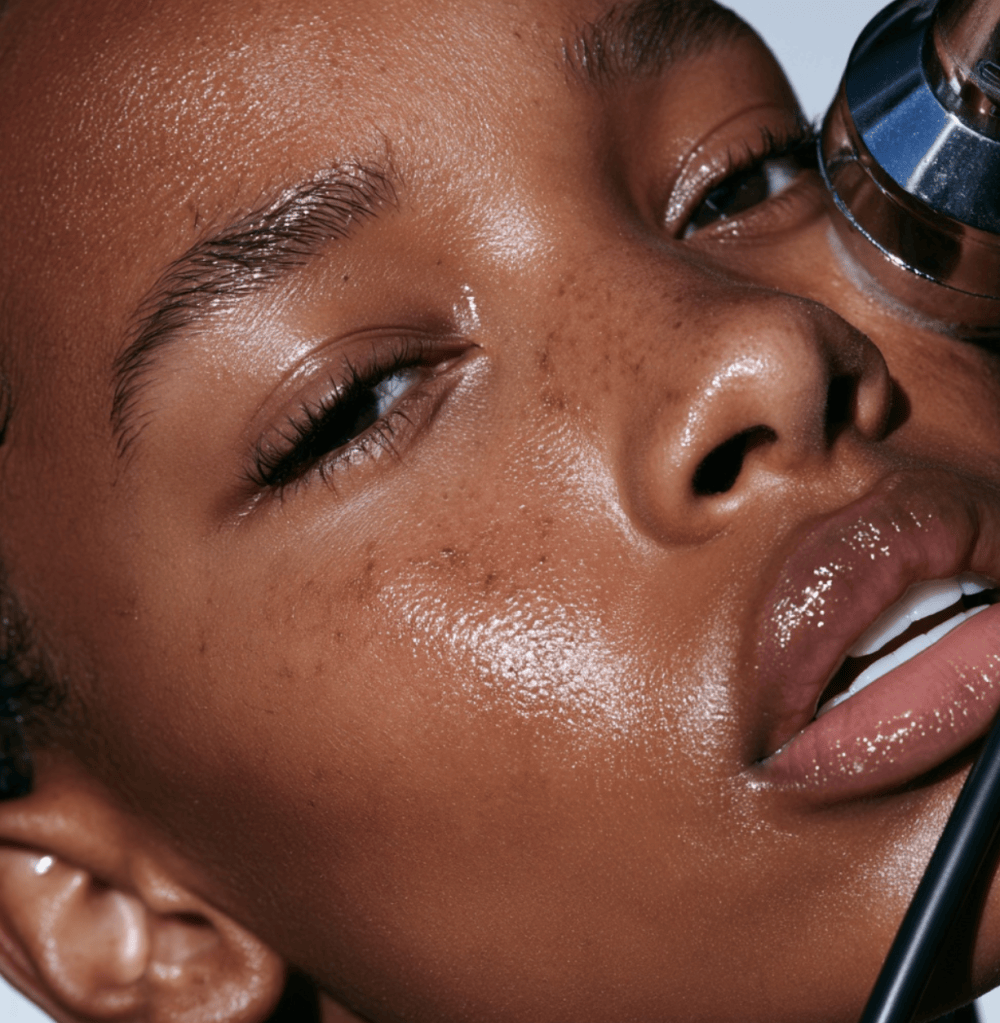
One thing I’ve noticed about beauty marketing is how quickly a new product can become a sensation.
A beautifully designed device, an unusual ingredient, or an impressive demonstration can generate enormous attention online.
But popularity and effectiveness are not the same thing.
As consumers become more familiar with advanced beauty technologies, I think there will be greater value in understanding the science behind the experience.
What does the technology actually do?
What evidence supports its claims?
Is it designed for a particular concern?
And perhaps most importantly, does it offer something meaningful that existing products or routines cannot?
These are the questions I want to continue exploring as new technologies enter the market.
Where Does Karib Skin Fit Into the Future?
One of the reasons I started exploring beauty more deeply was my interest in how culture, innovation, and consumer experiences intersect.
With Karib Skin, I’m especially inspired by the possibilities that emerge when Caribbean beauty influences meet the formulation expertise and innovation associated with Korean skincare.
As I continue researching and developing the brand, I’m also interested in understanding how emerging technologies could shape what beauty looks like in the years ahead.
Could skincare become more personalized?
Could beauty devices become easier to use and more accessible?
Could technology help emerging brands better understand what consumers actually need?
I don’t believe every innovation needs to be revolutionary to be valuable. Sometimes, improving an existing experience can be just as meaningful as introducing something entirely new.
Looking Ahead
The next chapter of beauty is still being written.
Artificial intelligence, home-use skincare technology, and personalized experiences are opening new possibilities, but they also remind us of the importance of thoughtful development, scientific evidence, and consumer trust.
For me, the future of skincare is about more than creating the next viral product.
It’s about making beauty smarter, more intentional, and more responsive to the people using it.
And as both a beauty enthusiast and someone developing a brand of my own, I’m excited to keep learning, questioning, and discovering what comes next.
What beauty innovation are you most excited to see in the future?
— Karib Skin Journal


Leave a Comment