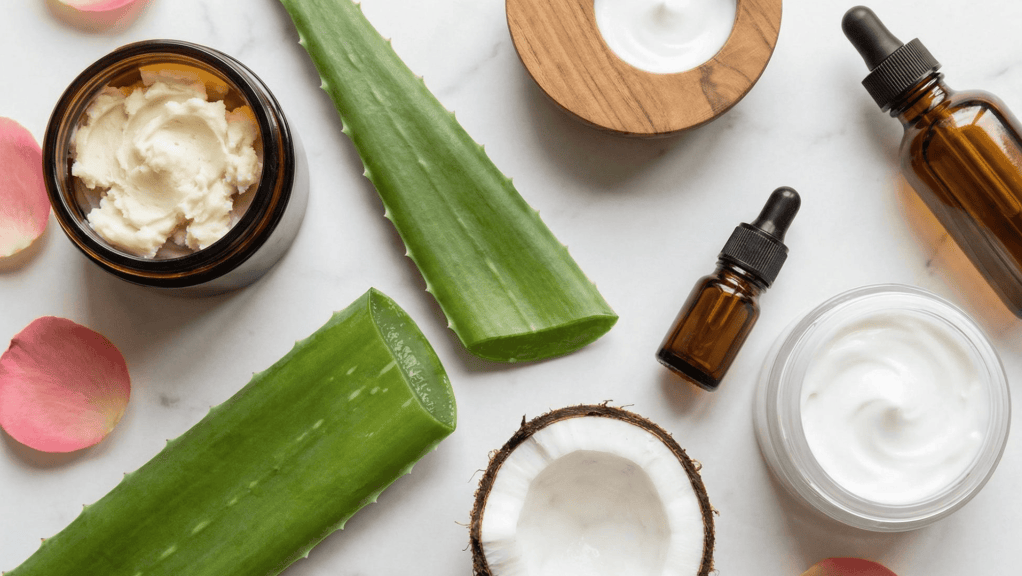
What makes these ingredients even more interesting is how they continue to evolve in modern skincare. Ingredients that have been used in Caribbean beauty traditions for generations are now being explored through scientific research and incorporated into today’s skincare products.
Aloe Vera: A Familiar Beauty Staple
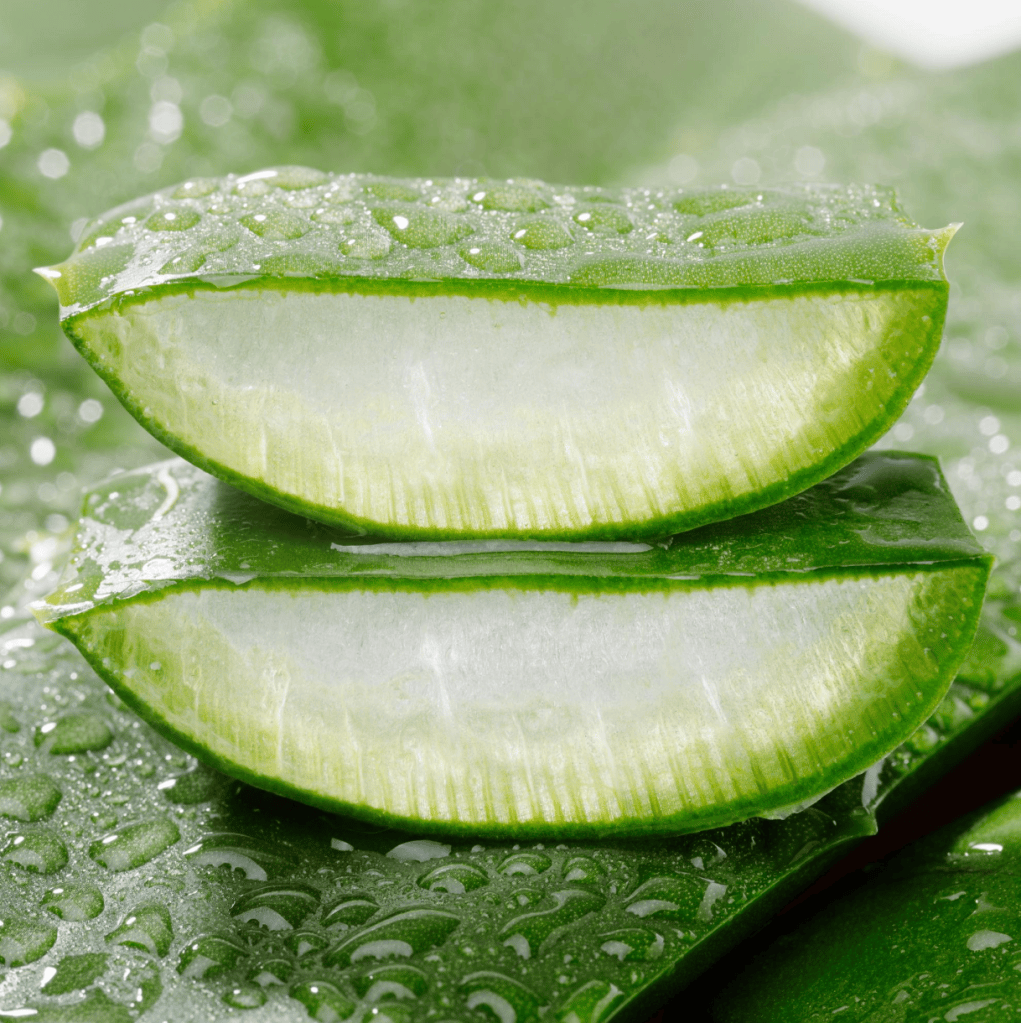
loe vera is probably one of the most recognizable ingredients in botanical skincare.
Known for its cooling texture, aloe vera has traditionally been applied to the skin and is now found in moisturizers, facial masks, and soothing gels.
Research suggests that certain aloe-based preparations may offer benefits for some skin concerns, although the evidence varies depending on the condition and formulation.
Hibiscus: Beauty in Bloom
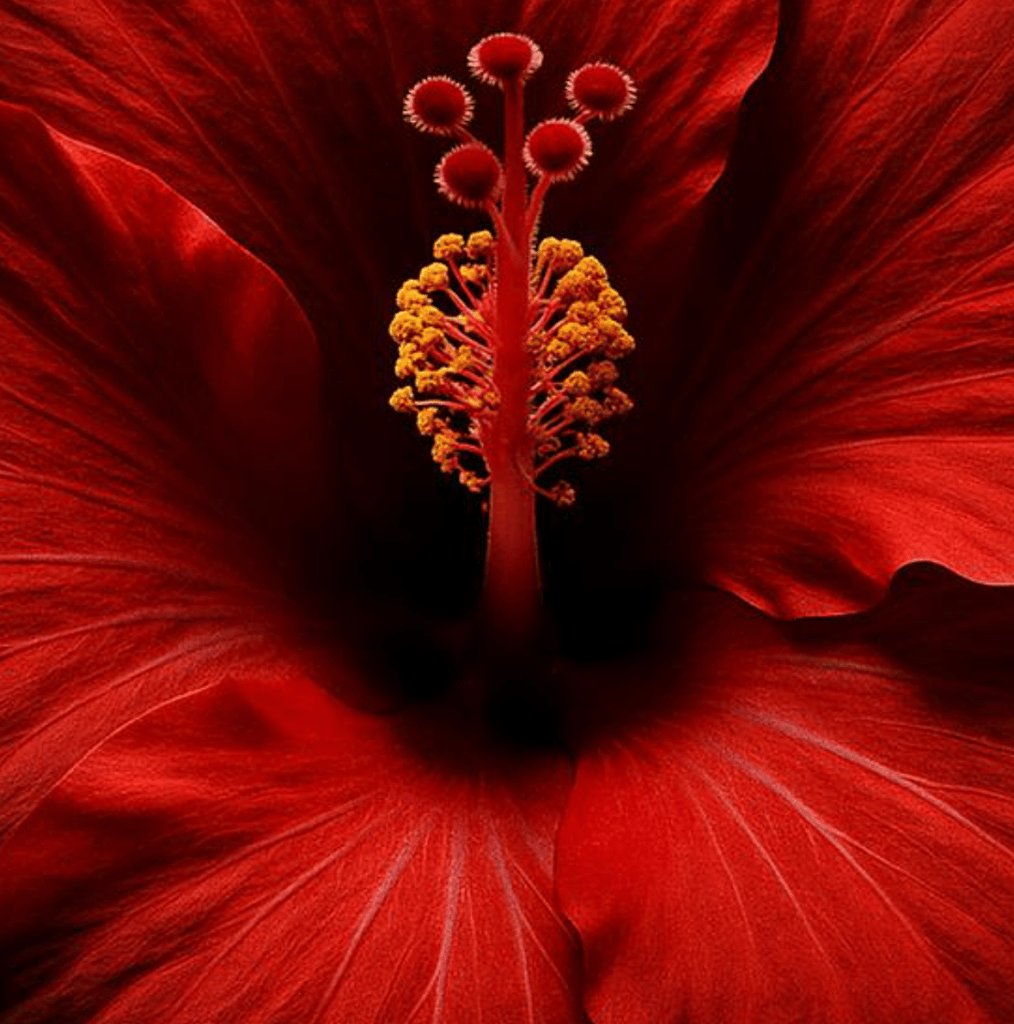
With its vibrant colors and delicate petals, hibiscus is one of the most visually recognizable flowers associated with tropical environments.
It also has a place in contemporary cosmetic research because hibiscus extracts contain plant compounds, including polyphenols, that are being explored for their antioxidant properties.
Although hibiscus is sometimes promoted with dramatic skincare claims, the effects of an extract depend on its preparation, concentration, and the finished formula.
Personally, I find hibiscus fascinating because it combines such a strong cultural and visual identity with opportunities for scientific investigation.
For me, aloe represents something interesting about traditional beauty: an ingredient that feels familiar and simple can become the subject of much more advanced scientific exploration.
When Tradition Meets Innovation
One of the things I love about the modern beauty industry is that we are seeing more conversations around ingredient origins, formulation science, sustainability, and cultural heritage.
However, I also think there is an important distinction between celebrating natural ingredients and assuming that natural automatically means better.
An ingredient can have a wonderful history and still require extensive research to determine how it should be used safely and effectively.
The most exciting possibilities happen when traditional knowledge and modern science are treated as complementary sources of inspiration.
Rather than simply recreating an old beauty ritual, formulators can investigate what makes an ingredient interesting, how it interacts with the skin, and whether it can provide meaningful benefits in a finished product.
A Caribbean Perspective on Modern Beauty
As I continue exploring beauty through Karib Skin, one of my biggest interests is understanding how cultural identity can influence innovation.
Caribbean beauty deserves to be part of the larger conversation about where skincare is going, not just where it has been.
There is something special about seeing ingredients connected to your heritage represented in an industry that is constantly evolving.
But beyond the nostalgia, I believe there is an opportunity to approach these ingredients with greater curiosity, scientific understanding, and creativity.
The future of Caribbean-inspired skincare doesn’t have to be limited to tropical fragrances or colorful packaging. It can involve thoughtful formulations, ingredient research, and meaningful products that connect heritage with innovation.
And that, to me, is what makes this area of beauty so exciting.
What Caribbean beauty ingredients or traditions have been part of your life? I’d love to hear which ones you grew up with.
— Karib Skin Journal


Leave a Comment