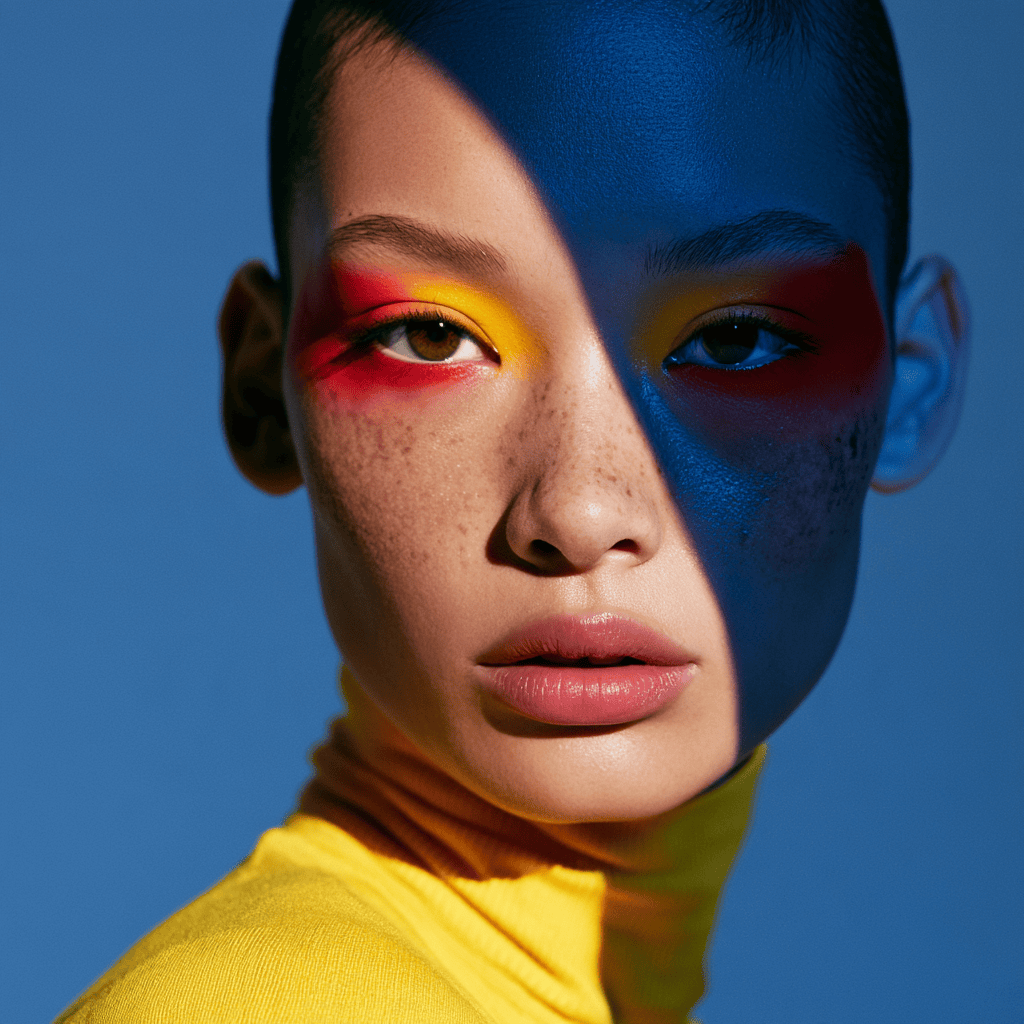
Beyond Glass Skin: What K-Beauty Can Teach Us About Skin Hydration
The beauty philosophy behind one of skincare’s biggest trends—and why achieving healthy-looking skin is about more than a glow.
If you’ve spent any time exploring Korean skincare, you’ve probably heard of the term glass skin.
It’s become one of the most recognizable trends in beauty, describing a complexion that appears exceptionally smooth, hydrated, and luminous.
Scroll through social media and you’ll find countless routines promising that coveted glow, complete with essences, serums, sheet masks, and moisturizers.
But I’ve always been curious about the philosophy behind the trend.
What is it about Korean skincare that has made it so influential around the world? And more importantly, what can we learn from its approach to maintaining healthy-looking skin?
As someone interested in both Caribbean beauty and Korean skincare innovation, I find myself drawn to the way K-beauty has encouraged consumers to think more intentionally about hydration, prevention, and daily skincare habits.
What Exactly Is Glass Skin?
Glass skin is a beauty aesthetic that emphasizes a complexion that appears clear, smooth, and reflective.
Unlike makeup trends that rely heavily on highlighters or illuminating products, the glass-skin approach is often associated with skincare routines designed to support hydration and a smooth-looking skin surface.
However, it’s important to remember that glass skin is an aesthetic, not a medical standard of skin health.
Real skin has pores, texture, and natural variations. Even the healthiest skin doesn’t have to look perfectly polished.
I think that’s an important distinction, especially in a beauty culture where filtered images can create unrealistic expectations.
The goal shouldn’t be to achieve perfect skin. It should be to understand your skin and care for it consistently.
Hydration Is More Than Adding Water
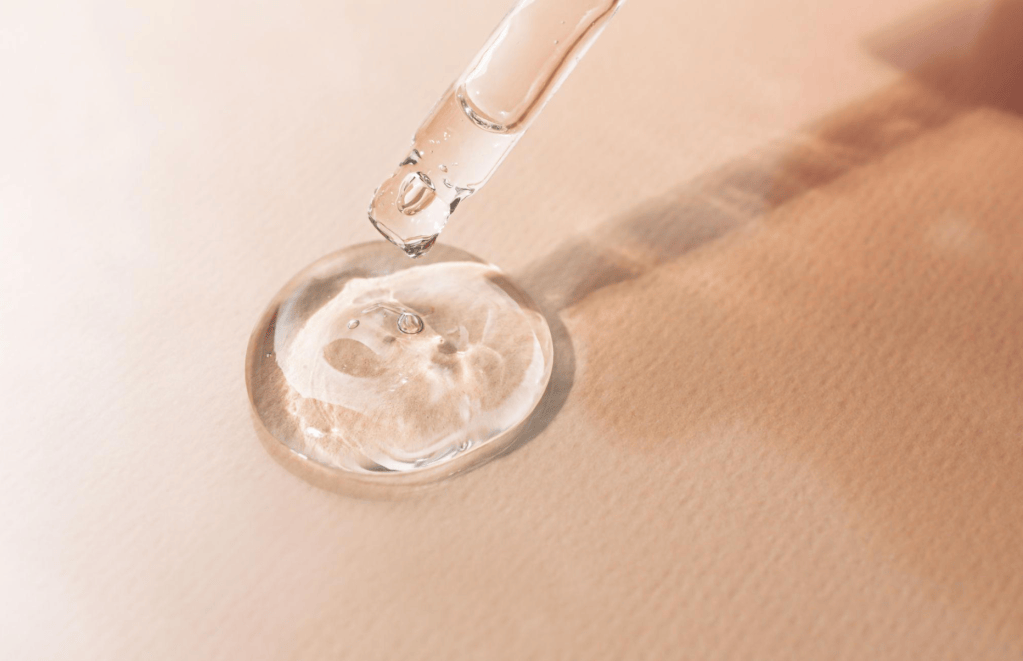
One of the most interesting lessons we can take from Korean skincare is the attention given to hydration.
Our skin contains a protective outer layer, often called the skin barrier, which helps retain moisture and protect against external irritants.
When that barrier is compromised, skin can feel dry, uncomfortable, or more sensitive than usual.
This is where the ingredients in our moisturizers become important.
Hyaluronic Acid
Hyaluronic acid is widely used in skincare because of its ability to attract and bind water. In cosmetic formulas, it can help improve the skin’s hydrated appearance.
Glycerin
Glycerin is another humectant, meaning it helps attract moisture. It’s a common ingredient in moisturizers and can help skin feel softer and more comfortable.
Ceramides
Ceramides are lipids naturally present in the skin barrier. Skincare products containing ceramides can help support moisture retention and barrier function.
What interests me about these ingredients is that they aren’t necessarily new or exotic. Their effectiveness often comes down to how they are formulated and incorporated into an appropriate routine.
Do We Really Need a 10-Step Routine?
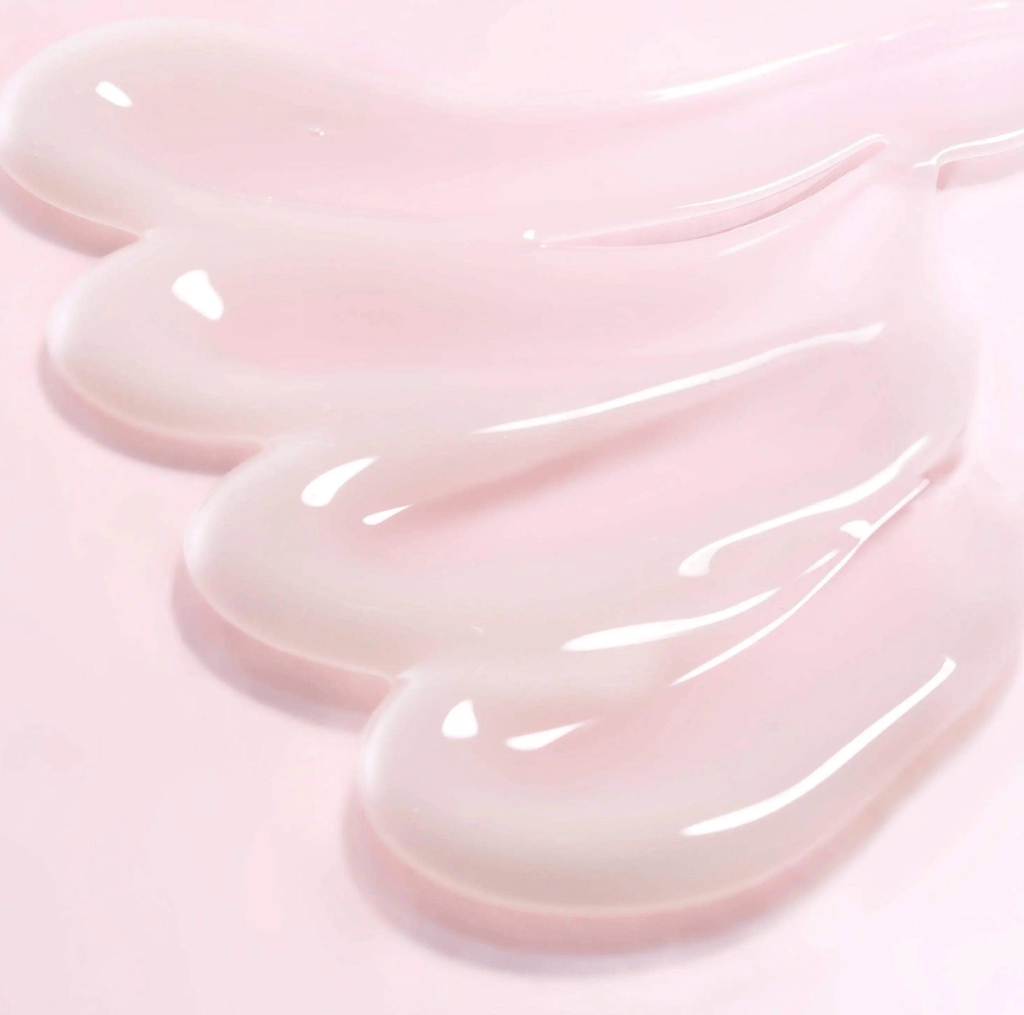
For years, Korean skincare became closely associated with elaborate, multistep routines.
Cleansers, toners, essences, ampoules, serums, moisturizers, and sleeping masks became part of the global conversation around K-beauty.
While layering products can be enjoyable, more steps don’t automatically mean better skin.
A simple routine with a gentle cleanser, suitable moisturizer, and daily broad-spectrum sunscreen can form a strong foundation.
Additional products can be introduced based on individual concerns, but using too many formulas at once may increase the risk of irritation.
One of the most valuable things I’ve learned from studying skincare trends is that simplicity and consistency often deserve just as much attention as innovation.
The Caribbean Climate Meets Korean Skincare
An especially interesting question for me is how skincare philosophies translate across different climates and lifestyles.
Think about the contrast between a humid Caribbean afternoon and a cold New England winter.
In humid environments, some people may prefer lightweight gels, emulsions, and fluid moisturizers that feel comfortable without being overly heavy.
During colder months, richer moisturizers may be useful for skin experiencing dryness from lower humidity and indoor heating.
But climate is only one factor. Your skin type, personal preferences, and individual sensitivities matter just as much.
This is one reason I find the intersection of Caribbean beauty and Korean skincare so compelling.
It offers an opportunity to think about beauty as something adaptable rather than something that follows one universal routine.
What K-Beauty Teaches Us About the Future of Skincare
Beyond the beautiful packaging and viral trends, I believe one of K-beauty’s most meaningful contributions is the conversation it has created around everyday skin maintenance.
It has encouraged curiosity about ingredients, product textures, hydration, and the experience of using skincare.
For me, that is much more interesting than simply chasing the latest beauty aesthetic.
As I continue developing Karib Skin, I am especially interested in how skincare can feel luxurious while still being thoughtful, accessible, and practical.
The future of beauty shouldn’t be about using the largest number of products or following every trend that appears online.
It should be about understanding what works, why it works, and how to make skincare an enjoyable part of everyday life.
Because beautiful skin doesn’t need to look like glass to deserve care.
What’s one skincare step you consider essential to your routine?
— Karib Skin Journal


Leave a Comment